
'%3e%3cpath%20d='M13%2019.938C15.0173%2019.6813%2016.8611%2018.6661%2018.1568%2017.0988C19.4525%2015.5314%2020.1027%2013.5295%2019.9754%2011.5C19.848%209.47041%2018.9527%207.56549%2017.4713%206.17238C15.9898%204.77927%2014.0336%204.00252%2012%204C9.96396%203.99848%208.00395%204.77334%206.51934%206.16668C5.03473%207.56002%204.13724%209.46699%204.00974%2011.499C3.88225%2013.5311%204.53434%2015.5353%205.83314%2017.1033C7.13195%2018.6712%208.97974%2019.685%2011%2019.938V14H9V12H11V10.346C11%209.009%2011.14%208.524%2011.4%208.035C11.6561%207.55119%2012.052%207.15569%2012.536%206.9C12.918%206.695%2013.393%206.572%2014.223%206.519C14.552%206.498%2014.978%206.524%2015.501%206.599V8.499H15C14.083%208.499%2013.704%208.542%2013.478%208.663C13.3431%208.73236%2013.2334%208.84215%2013.164%208.977C13.044%209.203%2013%209.427%2013%2010.345V12H15.5L15%2014H13V19.938ZM12%2022C6.477%2022%202%2017.523%202%2012C2%206.477%206.477%202%2012%202C17.523%202%2022%206.477%2022%2012C22%2017.523%2017.523%2022%2012%2022Z'%20fill='black'/%3e%3c/g%3e%3cdefs%3e%3cclipPath%20id='clip0_2995_1615'%3e%3crect%20width='24'%20height='24'%20fill='white'/%3e%3c/clipPath%3e%3c/defs%3e%3c/svg%3e)
'%3e%3cpath%20d='M12%209C11.2044%209%2010.4413%209.31607%209.87868%209.87868C9.31607%2010.4413%209%2011.2044%209%2012C9%2012.7956%209.31607%2013.5587%209.87868%2014.1213C10.4413%2014.6839%2011.2044%2015%2012%2015C12.7956%2015%2013.5587%2014.6839%2014.1213%2014.1213C14.6839%2013.5587%2015%2012.7956%2015%2012C15%2011.2044%2014.6839%2010.4413%2014.1213%209.87868C13.5587%209.31607%2012.7956%209%2012%209ZM12%207C13.3261%207%2014.5979%207.52678%2015.5355%208.46447C16.4732%209.40215%2017%2010.6739%2017%2012C17%2013.3261%2016.4732%2014.5979%2015.5355%2015.5355C14.5979%2016.4732%2013.3261%2017%2012%2017C10.6739%2017%209.40215%2016.4732%208.46447%2015.5355C7.52678%2014.5979%207%2013.3261%207%2012C7%2010.6739%207.52678%209.40215%208.46447%208.46447C9.40215%207.52678%2010.6739%207%2012%207ZM18.5%206.75C18.5%207.08152%2018.3683%207.39946%2018.1339%207.63388C17.8995%207.8683%2017.5815%208%2017.25%208C16.9185%208%2016.6005%207.8683%2016.3661%207.63388C16.1317%207.39946%2016%207.08152%2016%206.75C16%206.41848%2016.1317%206.10054%2016.3661%205.86612C16.6005%205.6317%2016.9185%205.5%2017.25%205.5C17.5815%205.5%2017.8995%205.6317%2018.1339%205.86612C18.3683%206.10054%2018.5%206.41848%2018.5%206.75ZM12%204C9.526%204%209.122%204.007%207.971%204.058C7.187%204.095%206.661%204.2%206.173%204.39C5.739%204.558%205.426%204.759%205.093%205.093C4.78001%205.3954%204.53935%205.76458%204.389%206.173C4.199%206.663%204.094%207.188%204.058%207.971C4.006%209.075%204%209.461%204%2012C4%2014.474%204.007%2014.878%204.058%2016.029C4.095%2016.812%204.2%2017.339%204.389%2017.826C4.559%2018.261%204.759%2018.574%205.091%2018.906C5.428%2019.242%205.741%2019.443%206.171%2019.609C6.665%2019.8%207.191%2019.906%207.971%2019.942C9.075%2019.994%209.461%2020%2012%2020C14.474%2020%2014.878%2019.993%2016.029%2019.942C16.811%2019.905%2017.338%2019.8%2017.826%2019.611C18.259%2019.442%2018.574%2019.241%2018.906%2018.909C19.243%2018.572%2019.444%2018.259%2019.61%2017.829C19.8%2017.336%2019.906%2016.809%2019.942%2016.029C19.994%2014.925%2020%2014.539%2020%2012C20%209.526%2019.993%209.122%2019.942%207.971C19.905%207.189%2019.8%206.661%2019.61%206.173C19.4593%205.765%2019.2191%205.39596%2018.907%205.093C18.6047%204.77985%2018.2355%204.53917%2017.827%204.389C17.337%204.199%2016.811%204.094%2016.029%204.058C14.925%204.006%2014.539%204%2012%204ZM12%202C14.717%202%2015.056%202.01%2016.122%202.06C17.187%202.11%2017.912%202.277%2018.55%202.525C19.21%202.779%2019.766%203.123%2020.322%203.678C20.8305%204.1779%2021.224%204.78259%2021.475%205.45C21.722%206.087%2021.89%206.813%2021.94%207.878C21.987%208.944%2022%209.283%2022%2012C22%2014.717%2021.99%2015.056%2021.94%2016.122C21.89%2017.187%2021.722%2017.912%2021.475%2018.55C21.2247%2019.2178%2020.8311%2019.8226%2020.322%2020.322C19.822%2020.8303%2019.2173%2021.2238%2018.55%2021.475C17.913%2021.722%2017.187%2021.89%2016.122%2021.94C15.056%2021.987%2014.717%2022%2012%2022C9.283%2022%208.944%2021.99%207.878%2021.94C6.813%2021.89%206.088%2021.722%205.45%2021.475C4.78233%2021.2245%204.17753%2020.8309%203.678%2020.322C3.16941%2019.8222%202.77593%2019.2175%202.525%2018.55C2.277%2017.913%202.11%2017.187%202.06%2016.122C2.013%2015.056%202%2014.717%202%2012C2%209.283%202.01%208.944%202.06%207.878C2.11%206.812%202.277%206.088%202.525%205.45C2.77524%204.78218%203.1688%204.17732%203.678%203.678C4.17767%203.16923%204.78243%202.77573%205.45%202.525C6.088%202.277%206.812%202.11%207.878%202.06C8.944%202.013%209.283%202%2012%202Z'%20fill='black'/%3e%3c/g%3e%3cdefs%3e%3cclipPath%20id='clip0_2995_1620'%3e%3crect%20width='24'%20height='24'%20fill='white'/%3e%3c/clipPath%3e%3c/defs%3e%3c/svg%3e)

Oral reading, or reading aloud, is the act of vocally, reading aloud makes silently articulating written text.
It involves more than just seeing words on a page; it’s a multisensory reading experience that engages the eyes, mouth, ears, and brain simultaneously.
l context and modern relevance Throughout history, oral reading has played a crucial role in education, religion, and culture.
From ancient Greek orators to medieval town criers, the spoken word has long been a powerful medium for conveying information.
While silent reading has become more common in modern times, reading aloud in and reading out loud remains a valuable practice in education, entertainment, and as important skills and personal development for children and adults.


Teaser of the benefits to be discussed
Overview of cognitive, social, and personal benefits Reading aloud offers a wide array of advantages that extend beyond basic and literacy skills. It enhances cognitive functions like memory and comprehension, fosters social connections, and contributes to personal growth.
In this article, we’ll explore seven key benefits that highlight all the benefits and transformative power of this simple yet profound practice.
Relevance for students in different age groups and situations. The benefits of reading aloud are not limited to any particular age group or setting.
From young children just beginning to grasp language to adults seeking to improve their public speaking skills, oral reading has something to offer everyone.
Whether in a classroom, a living room, or a boardroom, the act of giving voice to written or spoken words can have far-reaching effects on our intellectual and social lives.
Benefit 1: Improves Listening Skills
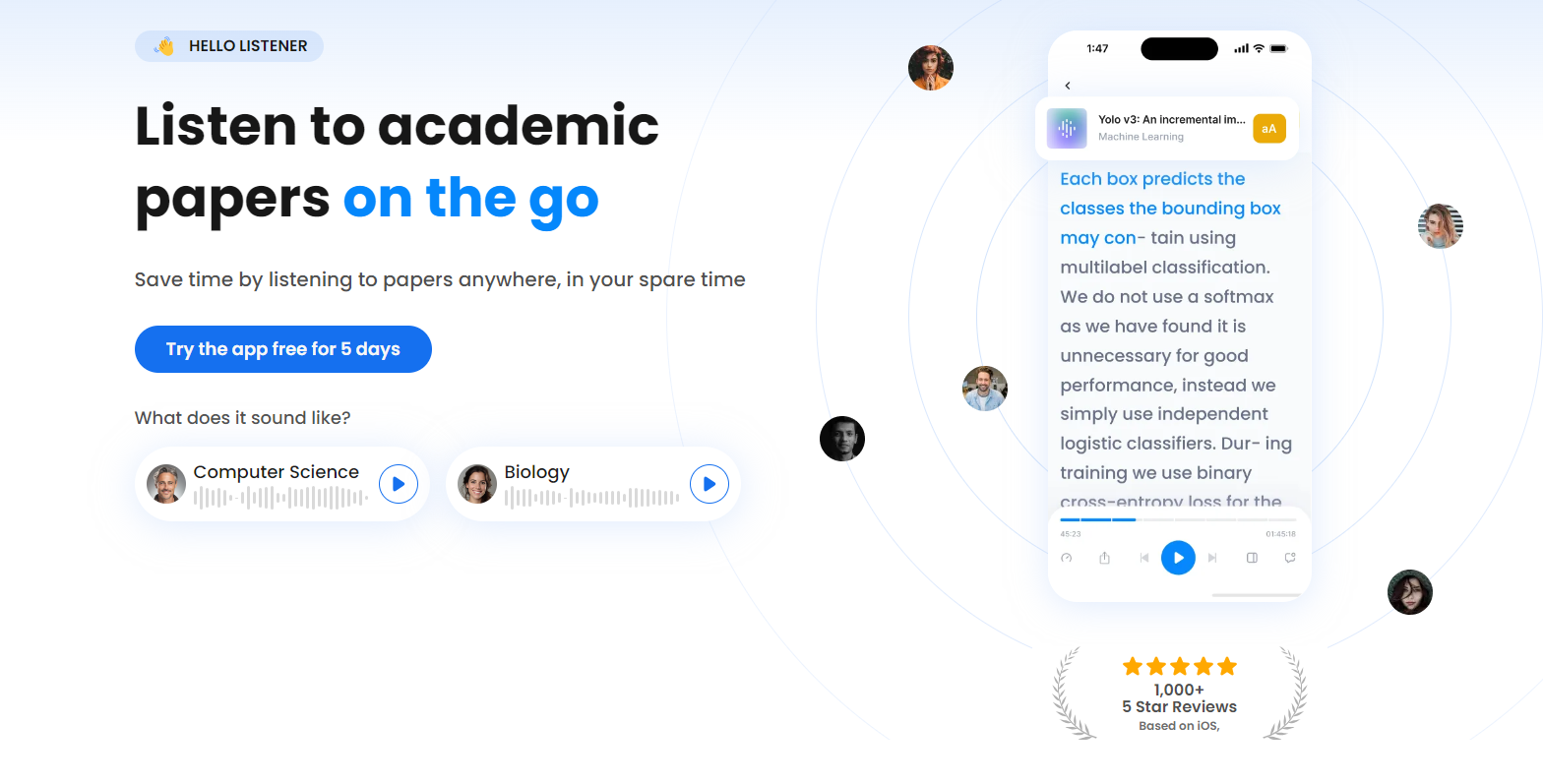
One of the most significant advantages of reading aloud is its positive impact on listening skills. This practice of reading out loud while reading homes our ability to focus on and process auditory information, a skill that’s crucial in many aspects of life we love reading about.
How It Enhances Focus and Concentration
Reading aloud naturally encourages listeners to pay closer attention to the words being spoken. Unlike silent reading, where the eyes can easily skip ahead or skim text, oral reading unfolds at a set pace, requiring sustained focus.
When listening to someone read aloud, the brain processes information in real time, improving overall concentration. This enhanced focus extends beyond the reading session, potentially benefiting other areas of life that require attentive listening, such as meetings, lectures, or conversations.
Active listening is a valuable skill involving fully concentrating on, understanding, and responding to what is being said. Reading-aloud sessions provide an excellent opportunity for kids to practice, listen, and develop this skill.
These habits, once developed, can significantly improve communication skills, enhancing both personal and professional relationships.
Regular exposure to oral reading helps train the brain to be a more effective and engaged listener in various contexts.
By improving focus, concentration, and active listening, reading aloud lays a strong foundation for better overall communication and information-processing abilities.
Tools like Listening.com can further support this development by providing structured exercises and resources specifically designed to enhance listening and comprehension skills.
Benefit 2: Boosts Reading Comprehension
Reading aloud in school is not just about vocalizing words; it’s a powerful tool for enhancing children’s overall reading and comprehension skills.
This benefit stems from the unique way oral reading engages our cognitive processes.
When we listen as we read a word aloud or listen to someone else reading, we create a strong link between the written word and its spoken form.
This connection facilitates a better understanding of spoken language in several ways:
By strengthening the connection between hearing fluent reading and understanding text and providing strategies for tackling difficult material, reading aloud in middle school serves as a valuable tool for boosting overall reading comprehension.
This improved comprehension of vocabulary can lead to better academic performance, more effective professional communication, and a richer experience with literature and informational texts.
Benefit 3: Enhances Vocabulary and Language Skills

Reading aloud is a powerful tool for expanding vocabulary and honing language skills.
This practice combines visual and auditory learning fluent reading itself, creating a rich environment for linguistic growth. With the advent of text-to-speech technology, the benefits brain power of reading aloud have become even more accessible.
Text-to-speech software converts written text into spoken words, allowing users to read aloud listen to any written content.
This technology provides readers with an alternative to traditional reading aloud, offering consistent pronunciation and the ability to adjust reading speed. It can be particularly useful for those learning a new language or for individuals with reading difficulties.
By combining exposure to both new words and unfamiliar words along with opportunities for pronunciation practice, reading aloud (whether done by a person or through text-to-speech) serves as an effective method for enhancing overall language skills.
This can lead to more articulate communication, improved writing, and greater linguistic confidence in various settings.
The integration of text-to-speech into the reading process allows learners to:
1. Hear proper pronunciation of unfamiliar words 2. Reinforce the connection between written and spoken language 3. Practice listening skills at various speeds 4. Access a wider range of texts, including those above their current reading level
This combination of traditional reading aloud and modern technology creates a versatile approach to language learning, vocabulary and skill development.
Benefit 4: Strengthens Memory

Reading aloud is not just about immediate comprehension and reading skills; it’s also a powerful technique for enhancing memory.
This practice engages multiple cognitive processes simultaneously, leading to improved memory retention, and recall of information.
Multi-Sensory Engagement
When reading aloud, several senses are activated at the same task at once:
1. Visual: Seeing the words on the page 2. Auditory: Hearing the words spoken 3. Kinesthetic: The physical act of speaking (or subvocalization when listening)
This multi-sensory engagement creates multiple pathways for information to enter the memory system, increasing the likelihood of successful encoding and later retrieval.
Active Processing
Reading aloud requires active participation, which naturally leads to deeper processing of the material. This active involvement helps to:
- Maintain focus and attention
- Encourage real-time comprehension
- Promote the formation of stronger neural connections associated with the information
Elaborative Rehearsal
The act of reading aloud serves as a form of elaborative rehearsal, a memory technique that involves engaging with information more deeply than simple repetition.
This process helps transfer information from short-term to long-term memory more effectively.
Improved Working Memory Function
Regular practice of reading aloud can strengthen working memory capacity. Working memory is crucial for:
- Holding information temporarily while processing it
- Manipulating information for complex cognitive tasks
- Connecting new information with existing knowledge
The Production Effect Research has shown that information that is produced (spoken or read aloud together) is remembered better than information that is merely either read aloud or read silently. This phenomenon, known as the production effect, further supports the memory-enhancing benefits of reading aloud.
Long-Term Benefits
By engaging multiple senses and providing various mechanisms for information encoding and retrieval, reading a word aloud becomes a valuable tool for strengthening overall working memory function.
This improved working memory capacity can have far-reaching benefits in academic, professional, and personal contexts, enhancing learning efficiency and information retention across various domains.
Benefit 5: Builds Confidence in Public Speaking
Reading aloud serves as an excellent foundation for students to develop public speaking skills.
It provides students with a safe, controlled environment to practice vocal techniques and grow more comfortable with their own voice throughout, ultimately leading to increased confidence when addressing an audience.
By providing consistent practice in articulation and expression, and gradually reducing the anxiety associated with speaking in front of others, reading aloud becomes a valuable tool in building public speaking confidence.
This increased self-assurance can translate into more effective presentations, improved performance in professional settings, and greater comfort in social situations that require verbal communication.
Benefit 6: Fosters Bonding and Social Connections
Reading aloud is not just a solitary activity; it can be a powerful tool for creating and strengthening social bonds.
This practice of reading together offers a unique way to share experiences and ideas, fostering connections within families, friend groups, and communities.
By creating shared experiences and opening avenues for meaningful interaction, reading aloud catalyzes social bonding.
This practice can enhance relationships, improve communication skills, and create a sense of community among participants.
Whether in a family setting, educational environment, or social group, the act of reading aloud has the power to bring people together, fostering deeper connections and mutual understanding.

Benefit 7: Stimulates Imagination and Creativity
Reading aloud is a powerful catalyst for igniting imagination and fostering a sense of creativity. This practice of loud reading transforms written words into vivid mental imagery, encouraging listeners, students and readers alike to engage their creative faculties and enjoy reading more.
By bringing stories to life and encouraging visualization and interpretation, reading aloud serves as a powerful tool for stimulating imagination and creativity.
This enhanced creative thinking can have far-reaching benefits, from improved problem-solving skills to increased empathy and emotional intelligence.
Whether for children developing their imaginative capabilities or children and adults seeking to reignite their creative spark, the practice of reading a story aloud offers a gateway to deeper connection and a richer, more vibrant inner world.
Conclusion
Throughout this article, we’ve explored seven significant benefits of reading aloud:
1. Improved listening skills, enhancing focus and developing active listening habits. 2. Boosted reading comprehension, especially for complex or unfamiliar material. 3. Enhanced vocabulary and language skills through contextual learning and pronunciation practice. 4. Strengthened memory, engaging multiple senses for better retention and recall. 5. Increased confidence in public speaking, providing practice in articulation and expression. 6. Fostered bonding and social connections, creating shared experiences and discussion opportunities. 7. Stimulated imagination and creativity, bringing stories to life and encouraging visualization.
These benefits demonstrate that reading a story aloud in school is not just a fundamental educational tool for kids, but a practice with wide-ranging positive impacts on school, child, cognitive, social, and personal development.
Encouragement to read aloud and incorporate reading aloud into daily life
Given these numerous advantages, incorporating reading books aloud into your daily routine can be a simple yet powerful way to enhance various aspects of your life:
1. Start small: Begin with just a few minutes of reading aloud each day, gradually increasing the duration as it becomes a habit. 2. Choose diverse materials: Vary your reading material to include fiction, non-fiction, poetry, and even news articles to reap different benefits. 3. Make it social: Read aloud with family members, and friends, or join a reading group to enjoy the social benefits. 4. Use technology: If reading to others isn’t always possible, consider recording yourself or using audiobooks to maintain the practice. 5. Be patient: Remember that the benefits of reading aloud accumulate over time, so consistency is key.
By making reading aloud a regular part of your routine, you’re not just using quality time and engaging your kids in a pleasant activity – you’re investing in your cognitive abilities, language development, communication skills, and personal growth.
Whether you’re a student, a professional, a parent, or simply someone looking to enrich your life, the practice of reading aloud offers a wealth of benefits that are accessible to everyone.
So pick up a book, start reading aloud, and unlock the power of the spoken word in your life.