
'%3e%3cpath%20d='M13%2019.938C15.0173%2019.6813%2016.8611%2018.6661%2018.1568%2017.0988C19.4525%2015.5314%2020.1027%2013.5295%2019.9754%2011.5C19.848%209.47041%2018.9527%207.56549%2017.4713%206.17238C15.9898%204.77927%2014.0336%204.00252%2012%204C9.96396%203.99848%208.00395%204.77334%206.51934%206.16668C5.03473%207.56002%204.13724%209.46699%204.00974%2011.499C3.88225%2013.5311%204.53434%2015.5353%205.83314%2017.1033C7.13195%2018.6712%208.97974%2019.685%2011%2019.938V14H9V12H11V10.346C11%209.009%2011.14%208.524%2011.4%208.035C11.6561%207.55119%2012.052%207.15569%2012.536%206.9C12.918%206.695%2013.393%206.572%2014.223%206.519C14.552%206.498%2014.978%206.524%2015.501%206.599V8.499H15C14.083%208.499%2013.704%208.542%2013.478%208.663C13.3431%208.73236%2013.2334%208.84215%2013.164%208.977C13.044%209.203%2013%209.427%2013%2010.345V12H15.5L15%2014H13V19.938ZM12%2022C6.477%2022%202%2017.523%202%2012C2%206.477%206.477%202%2012%202C17.523%202%2022%206.477%2022%2012C22%2017.523%2017.523%2022%2012%2022Z'%20fill='black'/%3e%3c/g%3e%3cdefs%3e%3cclipPath%20id='clip0_2995_1615'%3e%3crect%20width='24'%20height='24'%20fill='white'/%3e%3c/clipPath%3e%3c/defs%3e%3c/svg%3e)
'%3e%3cpath%20d='M12%209C11.2044%209%2010.4413%209.31607%209.87868%209.87868C9.31607%2010.4413%209%2011.2044%209%2012C9%2012.7956%209.31607%2013.5587%209.87868%2014.1213C10.4413%2014.6839%2011.2044%2015%2012%2015C12.7956%2015%2013.5587%2014.6839%2014.1213%2014.1213C14.6839%2013.5587%2015%2012.7956%2015%2012C15%2011.2044%2014.6839%2010.4413%2014.1213%209.87868C13.5587%209.31607%2012.7956%209%2012%209ZM12%207C13.3261%207%2014.5979%207.52678%2015.5355%208.46447C16.4732%209.40215%2017%2010.6739%2017%2012C17%2013.3261%2016.4732%2014.5979%2015.5355%2015.5355C14.5979%2016.4732%2013.3261%2017%2012%2017C10.6739%2017%209.40215%2016.4732%208.46447%2015.5355C7.52678%2014.5979%207%2013.3261%207%2012C7%2010.6739%207.52678%209.40215%208.46447%208.46447C9.40215%207.52678%2010.6739%207%2012%207ZM18.5%206.75C18.5%207.08152%2018.3683%207.39946%2018.1339%207.63388C17.8995%207.8683%2017.5815%208%2017.25%208C16.9185%208%2016.6005%207.8683%2016.3661%207.63388C16.1317%207.39946%2016%207.08152%2016%206.75C16%206.41848%2016.1317%206.10054%2016.3661%205.86612C16.6005%205.6317%2016.9185%205.5%2017.25%205.5C17.5815%205.5%2017.8995%205.6317%2018.1339%205.86612C18.3683%206.10054%2018.5%206.41848%2018.5%206.75ZM12%204C9.526%204%209.122%204.007%207.971%204.058C7.187%204.095%206.661%204.2%206.173%204.39C5.739%204.558%205.426%204.759%205.093%205.093C4.78001%205.3954%204.53935%205.76458%204.389%206.173C4.199%206.663%204.094%207.188%204.058%207.971C4.006%209.075%204%209.461%204%2012C4%2014.474%204.007%2014.878%204.058%2016.029C4.095%2016.812%204.2%2017.339%204.389%2017.826C4.559%2018.261%204.759%2018.574%205.091%2018.906C5.428%2019.242%205.741%2019.443%206.171%2019.609C6.665%2019.8%207.191%2019.906%207.971%2019.942C9.075%2019.994%209.461%2020%2012%2020C14.474%2020%2014.878%2019.993%2016.029%2019.942C16.811%2019.905%2017.338%2019.8%2017.826%2019.611C18.259%2019.442%2018.574%2019.241%2018.906%2018.909C19.243%2018.572%2019.444%2018.259%2019.61%2017.829C19.8%2017.336%2019.906%2016.809%2019.942%2016.029C19.994%2014.925%2020%2014.539%2020%2012C20%209.526%2019.993%209.122%2019.942%207.971C19.905%207.189%2019.8%206.661%2019.61%206.173C19.4593%205.765%2019.2191%205.39596%2018.907%205.093C18.6047%204.77985%2018.2355%204.53917%2017.827%204.389C17.337%204.199%2016.811%204.094%2016.029%204.058C14.925%204.006%2014.539%204%2012%204ZM12%202C14.717%202%2015.056%202.01%2016.122%202.06C17.187%202.11%2017.912%202.277%2018.55%202.525C19.21%202.779%2019.766%203.123%2020.322%203.678C20.8305%204.1779%2021.224%204.78259%2021.475%205.45C21.722%206.087%2021.89%206.813%2021.94%207.878C21.987%208.944%2022%209.283%2022%2012C22%2014.717%2021.99%2015.056%2021.94%2016.122C21.89%2017.187%2021.722%2017.912%2021.475%2018.55C21.2247%2019.2178%2020.8311%2019.8226%2020.322%2020.322C19.822%2020.8303%2019.2173%2021.2238%2018.55%2021.475C17.913%2021.722%2017.187%2021.89%2016.122%2021.94C15.056%2021.987%2014.717%2022%2012%2022C9.283%2022%208.944%2021.99%207.878%2021.94C6.813%2021.89%206.088%2021.722%205.45%2021.475C4.78233%2021.2245%204.17753%2020.8309%203.678%2020.322C3.16941%2019.8222%202.77593%2019.2175%202.525%2018.55C2.277%2017.913%202.11%2017.187%202.06%2016.122C2.013%2015.056%202%2014.717%202%2012C2%209.283%202.01%208.944%202.06%207.878C2.11%206.812%202.277%206.088%202.525%205.45C2.77524%204.78218%203.1688%204.17732%203.678%203.678C4.17767%203.16923%204.78243%202.77573%205.45%202.525C6.088%202.277%206.812%202.11%207.878%202.06C8.944%202.013%209.283%202%2012%202Z'%20fill='black'/%3e%3c/g%3e%3cdefs%3e%3cclipPath%20id='clip0_2995_1620'%3e%3crect%20width='24'%20height='24'%20fill='white'/%3e%3c/clipPath%3e%3c/defs%3e%3c/svg%3e)

Are you an auditory learner? Discover the power of your auditory learning style!
Some people absorb information effortlessly by listening, while others struggle to retain what they hear or listen. The answer lies in their learning style. Auditory learners learn best through hearing and listening. They possess unique characteristics of auditory learning style that set them apart from visual and other learning styles and kinesthetic learners.
Recognizing the characteristics of auditory learners helps teachers and other students create a more effective and engaging auditory learning style and experience tailored to their strengths. Adapt your study methods and environment to suit your needs. This leads to better information retention and academic success.
When determining how a person learns from the auditory learning style characteristic, it’s crucial to identify the best way to make the student outcomes auditory learning style more enjoyable.


List some common characteristics of an auditory learner.
1. Enjoy audiobooks and podcasts
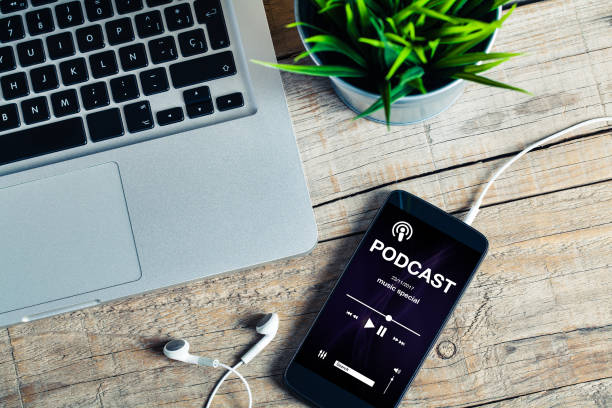
Auditory learners often prefer listening to information rather than reading it. Audiobooks, lectures, class discussions, and podcasts of first-class lectures are excellent resources for them.
Auditory learners enjoy audiobooks and podcasts:
- Can absorb information while multitasking or on the go by listening to audiobooks
- Easily grasp content and follow narratives through audio
- Expand their knowledge by listening to experts discuss subjects that interest them through podcasts
- May find it easier to retain information from audiobooks and podcasts compared to reading text, as hearing the information spoken aloud enhances their understanding and memory
Incorporating audiobooks and podcasts into their study routine:
- It can be an effective strategy for auditory learners
- Allows them to learn in a format that suits their strengths
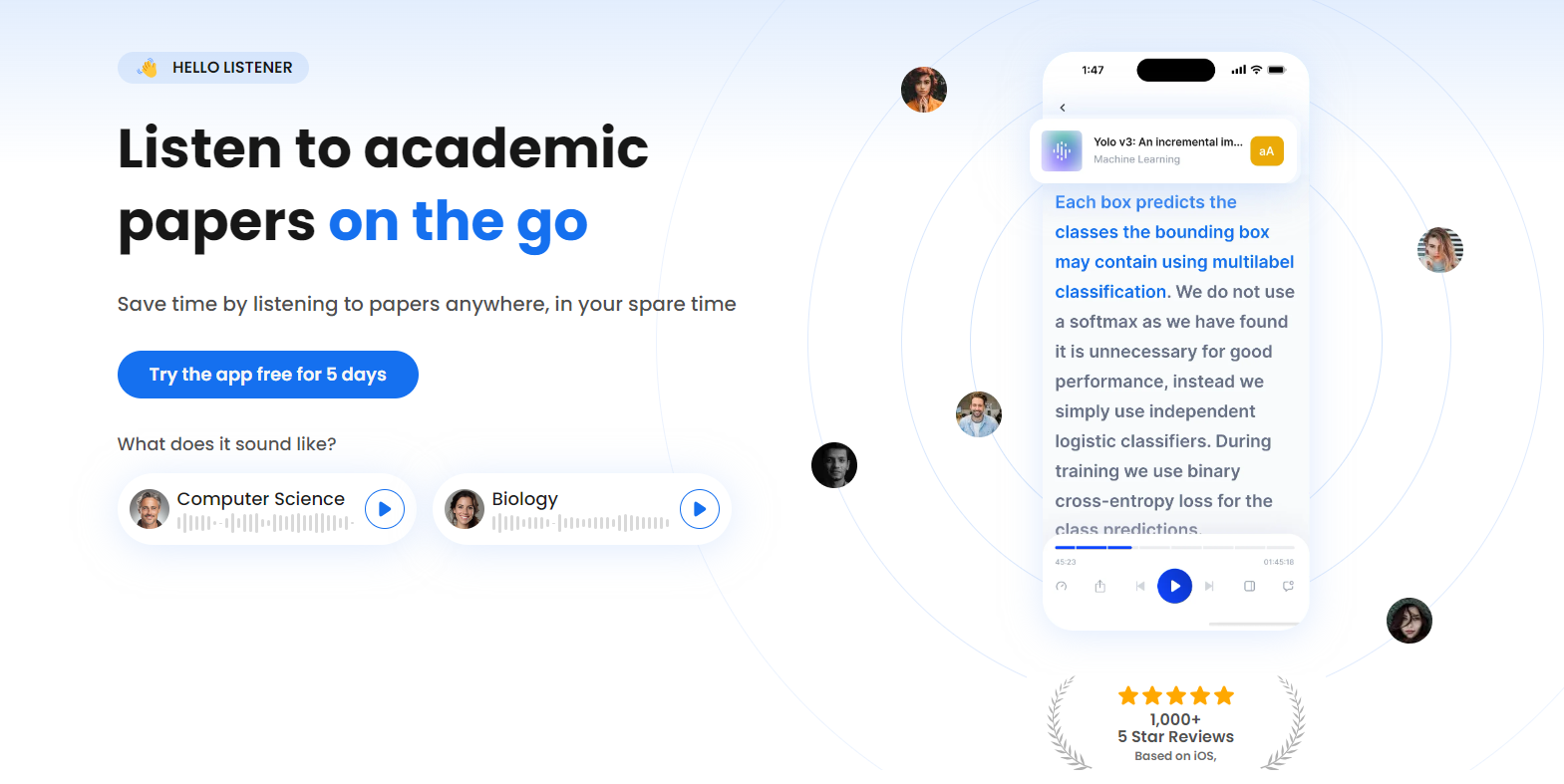
Educators can support auditory learners by:
- Recommending relevant audiobooks and podcasts
- Creating their audio content to supplement course materials
2. Prefer verbal instructions

Auditory learners thrive on verbal instructions. They excel in environments where information is presented verbally and find great value in listening to lectures, speeches, conversations and class discussions. Unlike visual learners, auditory learners feel more engaged when they hear the delivered content.
Auditory learners prefer verbal instructions:
- Are active listeners, focusing intently on the speaker
- Absorb information shared through verbal communication
When learning new concepts, auditory learners:
- Appreciate clear, step-by-step verbal explanations
- Grasp material more easily when instructions are provided through speech
- May struggle with written instructions
- Benefit from detailed verbal guidance and breaking down complex ideas into smaller, manageable verbal steps
3. Engage in active listening
Auditory learners excel at
They focus intently on speakers, paying close attention to the nuances of speech, and hear things such as tone and pace, which allows them to grasp and retain spoken information effectively.
Auditory learners engage in active listening:
- Thrive on class participation
- Ask questions and engage in discussions to clarify concepts and make connections
- Reinforce their learning by contributing insights during class
To support auditory learners, educators should:
- Encourage active participation
- Facilitate Q\&A sessions, group discussions, and one-on-one conversations
- Provide opportunities for verbal exchange to help auditory learners unlock their full potential

4. Enjoy music and rhythmic patterns

Auditory learners often have a strong affinity for music and rhythmic patterns. Incorporating musical elements into their auditory learning process can be highly beneficial, as songs, rhymes play background music, or jingles help them remember key information.
Auditory learners enjoy music and rhythmic patterns :
- Create associations between content and melody through the rhythm of music, aiding recall
- Retrieve knowledge by humming or singing tunes
- Can improve focus and reduce distractions while studying with background music, but it shouldn’t be too loud or distracting
Educators can support auditory learners by:
* Using songs, rhymes, or rhythmic mnemonics to reinforce concepts * Encouraging musical associations or study playlists to optimize the auditory learning experience
5. Utilize verbal repetition
Auditory learners benefit greatly from verbal repetition when acquiring new information. Repeating a teacher or lesson’s key points, phrases, or definitions aloud helps them solidify their understanding of important information and commit the knowledge to memory.
Auditory learners utilize verbal repetition:
- May naturally repeat information they want to remember by saying it out loud, rehearsing it under their breath, or teaching the concept to someone else
- Find engaging in group discussions or study sessions where participants take turns explaining topics particularly helpful
- Reinforce their grasp of the subject matter through the act of verbally articulating information
Educators can support auditory learners by:
- Providing opportunities for verbal repetition in class, such as asking students to repeat key points, facilitating group discussions, or encouraging students to summarize concepts in their own words
- Incorporating verbal repetition techniques, such as mnemonics, acronyms, or storytelling, to aid in retaining information
6. Strong language skills

Auditory learners often possess strong language skills, which many teachers say can be a significant asset in their students’ classroom and learning journey. They tend to have a natural aptitude for reading, writing, and speaking.
Auditory learner’s with strong language skills:
- Find reading easy, as they can hear the words in their mind, enhancing comprehension and retention
- Excel in writing by effectively translating thoughts into well-structured sentences and paragraphs
- Possess strengths in public speaking and presentations, articulating clearly and engaging audiences through voice and language
- Enjoy word games, puns, and verbal puzzles, which further develop their language skills
Educators can support auditory learners by:
- Incorporating group discussions, debates, presentations, and creative writing assignments
- Providing opportunities for students to showcase their language skills, helping them thrive
7. Excel in oral presentations

Auditory learners students often excel in oral classroom presentations and language-related areas of the class. They have a natural aptitude for reading, writing, and speaking.
Auditory learners excel in oral presentations:
- Find reading easy as they can hear words mentally, boosting comprehension and retention
- Possess writing strength, effectively translating thoughts into well-structured prose
- Are often articulate public speakers who engage audiences through voice and language
- Enjoy word games and verbal puzzles, which further enhance their language skills
Educators can support auditory learners through:
- Group discussions
- Debates
- Presentations
- Creative writing tasks
Opportunities to showcase language skills and strategies to have students employ auditory learning strategies help students using speak them thrive.
8. Talk through problems

Auditory learners benefit from talking through problems or ideas. Verbalizing thoughts helps them process information effectively.
Auditory learners talk through problems:
- Start discussing problems out loud when faced with a challenge, either by explaining it to others or talking to themselves
- Clarify understanding, break down complex issues, and identify solutions by putting thoughts into words
- Use verbal problem-solving as a roadmap
- Benefit from collaborating and brainstorming with others, as hearing different perspectives sparks new insights and approaches
Educators can support auditory learners through:
- Think-pair-share activities
- Group discussions and strategies
- Encouraging verbal explanations of thought processes
Talking through problems allows auditory learners to name vocabulary words, answer questions, and show strategies that leverage verbal skills for enhanced critical thinking and problem-solving.
9. Memorize through sound associations
Auditory learners often with auditory learning skills memorize and retain information by creating sound associations with good memory. They link new knowledge to familiar sounds, jingles background music, or rhymes.
Auditory learners memorize through sound associations:
- Use mnemonics based on sound to help recall information, such as catchy phrases or acronyms to remember lists
- Find setting information to music, like putting key concepts into a song or rhyme, makes them more memorable
- Create strong auditory links for later retrieval by repeating information out loud in a specific rhythm or tone
- Tap into their natural strengths through sound associations, as distinctive and memorable sounds make it easier to recall information
Educators can support auditory learners by:
- Suggesting sound-based memorization techniques for online learning
- Encouraging students to create their mnemonics or songs
Leveraging sound associations helps auditory learners improve their auditory memory and recall abilities.
Benefits Of Auditory Learning

- Better retention: Auditory learners remember information they hear more easily than what they read.
- Improved understanding: Hearing information spoken aloud helps auditory learners grasp complex concepts better. Tone, emphasis, and pacing provide extra context and clarity.
- Multitasking: Auditory learners can absorb information while doing other activities, using time efficiently.
- Strong language skills: Auditory learners often excel in reading, writing, and speaking. They may have a knack for public speaking.
- Effective group learning: Auditory learners thrive in discussions, debates, and group projects. Verbal exchanges and diverse perspectives benefit them.
- Interpersonal skills: Attentive listening and engaging in meaningful discussions help auditory learners build strong relationships and excel socially.
- Enhanced problem-solving: Talking through problems and verbalizing thoughts help auditory learners break down complex issues and find solutions.
- More learning opportunities: Podcasts, audiobooks, and online lectures cater to auditory learners’ preferences.