
'%3e%3cpath%20d='M13%2019.938C15.0173%2019.6813%2016.8611%2018.6661%2018.1568%2017.0988C19.4525%2015.5314%2020.1027%2013.5295%2019.9754%2011.5C19.848%209.47041%2018.9527%207.56549%2017.4713%206.17238C15.9898%204.77927%2014.0336%204.00252%2012%204C9.96396%203.99848%208.00395%204.77334%206.51934%206.16668C5.03473%207.56002%204.13724%209.46699%204.00974%2011.499C3.88225%2013.5311%204.53434%2015.5353%205.83314%2017.1033C7.13195%2018.6712%208.97974%2019.685%2011%2019.938V14H9V12H11V10.346C11%209.009%2011.14%208.524%2011.4%208.035C11.6561%207.55119%2012.052%207.15569%2012.536%206.9C12.918%206.695%2013.393%206.572%2014.223%206.519C14.552%206.498%2014.978%206.524%2015.501%206.599V8.499H15C14.083%208.499%2013.704%208.542%2013.478%208.663C13.3431%208.73236%2013.2334%208.84215%2013.164%208.977C13.044%209.203%2013%209.427%2013%2010.345V12H15.5L15%2014H13V19.938ZM12%2022C6.477%2022%202%2017.523%202%2012C2%206.477%206.477%202%2012%202C17.523%202%2022%206.477%2022%2012C22%2017.523%2017.523%2022%2012%2022Z'%20fill='black'/%3e%3c/g%3e%3cdefs%3e%3cclipPath%20id='clip0_2995_1615'%3e%3crect%20width='24'%20height='24'%20fill='white'/%3e%3c/clipPath%3e%3c/defs%3e%3c/svg%3e)
'%3e%3cpath%20d='M12%209C11.2044%209%2010.4413%209.31607%209.87868%209.87868C9.31607%2010.4413%209%2011.2044%209%2012C9%2012.7956%209.31607%2013.5587%209.87868%2014.1213C10.4413%2014.6839%2011.2044%2015%2012%2015C12.7956%2015%2013.5587%2014.6839%2014.1213%2014.1213C14.6839%2013.5587%2015%2012.7956%2015%2012C15%2011.2044%2014.6839%2010.4413%2014.1213%209.87868C13.5587%209.31607%2012.7956%209%2012%209ZM12%207C13.3261%207%2014.5979%207.52678%2015.5355%208.46447C16.4732%209.40215%2017%2010.6739%2017%2012C17%2013.3261%2016.4732%2014.5979%2015.5355%2015.5355C14.5979%2016.4732%2013.3261%2017%2012%2017C10.6739%2017%209.40215%2016.4732%208.46447%2015.5355C7.52678%2014.5979%207%2013.3261%207%2012C7%2010.6739%207.52678%209.40215%208.46447%208.46447C9.40215%207.52678%2010.6739%207%2012%207ZM18.5%206.75C18.5%207.08152%2018.3683%207.39946%2018.1339%207.63388C17.8995%207.8683%2017.5815%208%2017.25%208C16.9185%208%2016.6005%207.8683%2016.3661%207.63388C16.1317%207.39946%2016%207.08152%2016%206.75C16%206.41848%2016.1317%206.10054%2016.3661%205.86612C16.6005%205.6317%2016.9185%205.5%2017.25%205.5C17.5815%205.5%2017.8995%205.6317%2018.1339%205.86612C18.3683%206.10054%2018.5%206.41848%2018.5%206.75ZM12%204C9.526%204%209.122%204.007%207.971%204.058C7.187%204.095%206.661%204.2%206.173%204.39C5.739%204.558%205.426%204.759%205.093%205.093C4.78001%205.3954%204.53935%205.76458%204.389%206.173C4.199%206.663%204.094%207.188%204.058%207.971C4.006%209.075%204%209.461%204%2012C4%2014.474%204.007%2014.878%204.058%2016.029C4.095%2016.812%204.2%2017.339%204.389%2017.826C4.559%2018.261%204.759%2018.574%205.091%2018.906C5.428%2019.242%205.741%2019.443%206.171%2019.609C6.665%2019.8%207.191%2019.906%207.971%2019.942C9.075%2019.994%209.461%2020%2012%2020C14.474%2020%2014.878%2019.993%2016.029%2019.942C16.811%2019.905%2017.338%2019.8%2017.826%2019.611C18.259%2019.442%2018.574%2019.241%2018.906%2018.909C19.243%2018.572%2019.444%2018.259%2019.61%2017.829C19.8%2017.336%2019.906%2016.809%2019.942%2016.029C19.994%2014.925%2020%2014.539%2020%2012C20%209.526%2019.993%209.122%2019.942%207.971C19.905%207.189%2019.8%206.661%2019.61%206.173C19.4593%205.765%2019.2191%205.39596%2018.907%205.093C18.6047%204.77985%2018.2355%204.53917%2017.827%204.389C17.337%204.199%2016.811%204.094%2016.029%204.058C14.925%204.006%2014.539%204%2012%204ZM12%202C14.717%202%2015.056%202.01%2016.122%202.06C17.187%202.11%2017.912%202.277%2018.55%202.525C19.21%202.779%2019.766%203.123%2020.322%203.678C20.8305%204.1779%2021.224%204.78259%2021.475%205.45C21.722%206.087%2021.89%206.813%2021.94%207.878C21.987%208.944%2022%209.283%2022%2012C22%2014.717%2021.99%2015.056%2021.94%2016.122C21.89%2017.187%2021.722%2017.912%2021.475%2018.55C21.2247%2019.2178%2020.8311%2019.8226%2020.322%2020.322C19.822%2020.8303%2019.2173%2021.2238%2018.55%2021.475C17.913%2021.722%2017.187%2021.89%2016.122%2021.94C15.056%2021.987%2014.717%2022%2012%2022C9.283%2022%208.944%2021.99%207.878%2021.94C6.813%2021.89%206.088%2021.722%205.45%2021.475C4.78233%2021.2245%204.17753%2020.8309%203.678%2020.322C3.16941%2019.8222%202.77593%2019.2175%202.525%2018.55C2.277%2017.913%202.11%2017.187%202.06%2016.122C2.013%2015.056%202%2014.717%202%2012C2%209.283%202.01%208.944%202.06%207.878C2.11%206.812%202.277%206.088%202.525%205.45C2.77524%204.78218%203.1688%204.17732%203.678%203.678C4.17767%203.16923%204.78243%202.77573%205.45%202.525C6.088%202.277%206.812%202.11%207.878%202.06C8.944%202.013%209.283%202%2012%202Z'%20fill='black'/%3e%3c/g%3e%3cdefs%3e%3cclipPath%20id='clip0_2995_1620'%3e%3crect%20width='24'%20height='24'%20fill='white'/%3e%3c/clipPath%3e%3c/defs%3e%3c/svg%3e)

Reading is the cornerstone of education, and mastering this skill is crucial for academic success. But what if traditional teaching methods aren’t enough?
Enter multisensory learning techniques for reading – a game-changing approach that engages multiple senses to enhance the learning process.
This article explores seven effective multisensory techniques that can revolutionize reading instruction, benefiting both teachers and students alike.


Understanding Multisensory Learning in Reading Instruction
Multisensory learning is an approach that engages more than one sense simultaneously during the learning process.
This instructional activity involves different learning styles – visual, auditory, kinesthetic, and tactile elements to help students grasp and retain information more effectively. This multi-sensory approach is particularly beneficial for developing foundational reading skills.
The concept of multisensory teaching isn’t new, but its application in reading instruction has gained significant traction in recent years.
This approach is particularly beneficial for students with learning differences, such as dyslexia, but it can enhance the learning experience for all students, regardless of their abilities.
By engaging multiple senses and basic language skills these methods help create stronger neural pathways in the brain, leading to improved retention and recall of information.
Multisensory teaching techniques tap into the various ways students learn, catering to different learning styles and preferences. Some students may be primarily visual learners, while others might learn best through auditory or kinesthetic methods.
The Science Behind Multisensory Reading Techniques
The effectiveness of multisensory learning is rooted in neuroscience. When students engage more than one sense during the learning process, they activate multiple areas of the human brain simultaneously.
This cross-activation strengthens neural connections and enhances memory formation, making it easier for students to recall and apply what they’ve learned.
Research has shown that the brain processes information more effectively when it receives input through multiple sensory channels.
For instance, when a student sees a letter (visual), hears its sound (auditory), and traces its shape (kinesthetic/tactile), they’re more likely to remember and recognize that letter in future encounters.
This multisensory learning approach helps to create a more robust and interconnected neural network associated with that particular piece of information.
Moreover, multisensory instruction techniques align well with how the brain naturally processes language. The reading process involves various interconnected skills, including phonemic awareness, letter knowledge, and decoding skills.
7 Multisensory Teaching Techniques for Teaching Reading
1. Tactile Letter Formation
Tactile activities are a cornerstone of multisensory teaching methods. One effective technique is using sandpaper letters or shaving cream for letter formation.
Students trace letters on textured surfaces, engaging their sense of touch while visualizing the letter shape. This multisensory approach to teaching literacy helps reinforce letter knowledge and improves handwriting skills.
For instance, teachers can guide students to trace letters in a tray filled with sand or salt, providing a tactile experience that enhances memory of letter shapes and formations.
Another variation involves using playdough or clay to form letters. This tactile activity in tracing letters allows students to physically manipulate the material, further reinforcing their understanding of letter shapes and improving fine motor skills.
The tactile approach can be particularly helpful for students who struggle with traditional writing methods.
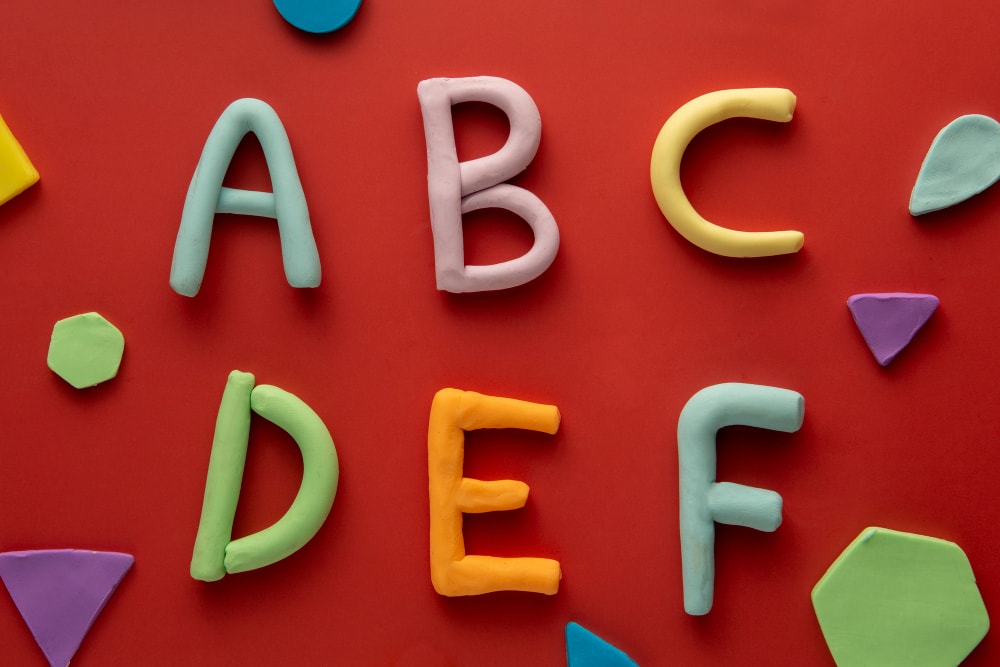
Image by Freepik
2. Phonics with Movement
Incorporating body movements into phonics instruction is a powerful multisensory technique. This approach combines auditory learning with kinesthetic methods, making phonics instruction more engaging and memorable.
By associating specific movements with different sounds, students create a physical memory to support their auditory and visual learning.
For example, teachers can assign specific movements to represent different phonemes.
Students might clap for short vowel sounds, stretch their arms for long vowel sounds, or make chopping motions for consonant blends.
This multisensory literacy instruction helps students physically experience the sounds, making them easier to remember and reproduce.
Sky writing is another effective method that combines visual and kinesthetic learning. Students “write” letters or words in the air using large arm movements, reinforcing the connection between the letter’s shape and its sound.
This technique is particularly useful for kinesthetic learners who benefit from large motor movements.
3. Visual Word Mapping
Visual word mapping is a multisensory approach that helps students understand word structure and spelling patterns.
Visual teaching methods like creating visual representations of words, often using color coding to highlight different word parts. By visually breaking down words into their component parts, students can better understand word formation and improve their decoding skills.
For instance, teachers might use one color for prefixes, another for root words, and a third for suffixes.
This visual method helps students recognize patterns in word formation and improves their ability to decode unfamiliar words. Graphic organizers can also be used to map out word families or rhyming words, enhancing students’ understanding of word relationships and phonetic patterns.
This technique is particularly useful for teaching sight words and spelling words. By creating a visual map of the word, students can more easily remember its structure and spelling.
This approach also helps students develop their morphological awareness, which is crucial for vocabulary development and reading comprehension.
4. Auditory Blending and Segmenting Games
For auditory learners, auditory games that focus on blending and segmenting sounds are excellent for developing phonemic awareness, a crucial foundational reading skill.
These multisensory activities in creating letter-sound relationships combine auditory input with visual or tactile elements to reinforce learning. By making the process interactive and game-like, these techniques can increase student engagement and make learning more enjoyable.
One example is the use of sound boxes. Students use small objects to represent individual phonemes in a word, moving them into boxes as they segment the sounds.
Image by Freepik
Engaging multiple senses helps students visualize and manipulate the individual sounds in words. It’s particularly effective for teaching students to blend sounds together to form words and to segment words into their component sounds.
Another engaging activity is the “robot talk” game, where students blend sounds to form words. The teacher or a student says a word in a robot voice (segmenting each sound), and others blend the sounds to guess the word.
This game makes phonemic awareness practice fun and interactive, helping students develop their ability to manipulate sounds in words.
5. Multisensory Vocabulary Building
Building vocabulary is a key aspect of reading instruction, and multisensory techniques can make this process more effective and engaging.
Using realia (real objects) or props like magnetic letters to introduce new words provides a concrete, tactile experience that helps students connect words with their meanings. This approach is particularly effective for English language learners and students who benefit from concrete examples.
For example, when teaching about fruits, teachers can bring in actual fruits for students to see, touch, smell, and even taste. This multisensory approach creates a rich, memorable learning experience that goes beyond simple memorization.
It helps students build strong connections between the word, its meaning, and their sensory experiences.
Incorporating music and rhythm is another powerful multisensory method for vocabulary retention. Songs and chants that include target vocabulary words can help students remember both the words and their meanings more easily.
The combination of rhythm, melody, and movement (if actions are included) creates multiple pathways for memory formation and recall.
6. Interactive Story Mapping
Story mapping is a comprehension strategy that becomes even more powerful when implemented as a multisensory activity.
Creating tactile story maps helps students visualize and interact with story elements, enhancing their understanding of narrative structure.
This technique is particularly useful for improving reading comprehension skills and helping students internalize the components of a story.
Teachers can use a large felt board where students physically move characters and plot points as they retell a story.
These kinesthetic approaches enhance learning helps students internalize story structure and improves their comprehension skills. By physically manipulating the story elements, students create a concrete representation of abstract narrative concepts.
Another variation is to have students create 3D story maps using craft materials.
This hands-on activity engages multiple senses and allows students to physically represent their understanding of the story. It’s an excellent way to assess students’ comprehension while also providing a creative outlet.
7. Multisensory Learning Tools and Technology
In today’s digital age, technology offers numerous opportunities for multisensory learning. Interactive apps and software can provide visual, auditory, and kinesthetic experiences that enhance reading instruction.
These tools can be particularly engaging for students and can provide immediate feedback, which is crucial for learning.
For instance, some apps allow students to trace letters on a touchscreen while hearing the letter’s sound and seeing an image associated with it.
This combines visual, auditory, and tactile learning in one seamless experience. Other apps might use gamification elements to make reading practice more engaging, incorporating points, levels, and rewards to motivate students.
Audiobooks with visual tracking can also be a valuable multisensory tool. As students listen to the narration, they can follow along with highlighted text, reinforcing the connection between written words and their sounds.
This technique is particularly helpful for struggling readers, as it allows them to access grade-level texts while still developing their decoding and literacy skills.

Image by freepik
One innovative tool that can significantly aid students with reading difficulties is Listening.com. This text-to-speech platform offers a multisensory approach to reading by converting written text into high-quality spoken audio.
Students can see the text, hear it read aloud, and even follow along with highlighted words as they’re spoken.
This combination of visual and auditory input can help reinforce word recognition, improve comprehension, and build confidence in struggling readers.
By allowing students to both see and hear the text simultaneously, Listening.com provides a supportive environment for developing reading skills, making it an excellent addition to any multisensory reading program.

Implementing Multisensory Instruction Techniques in Different Learning Environments
Adapting multisensory techniques to various learning environments is crucial for their effectiveness. In a classroom setting, teachers can set up different stations that focus on specific multisensory activities, allowing students to rotate and engage with various techniques.
This approach works well for small groups and allows teachers to provide more personalized instruction.
For one-on-one tutoring, instructors can tailor multisensory approaches to the student’s specific needs and learning style. This personalized approach can be particularly beneficial for struggling students or those with learning differences.
Tutors can focus on the techniques that work best for the individual student, adjusting the pace and difficulty level as needed.
In remote or hybrid learning settings, teachers can guide parents in implementing simple multisensory activities at home.
For example, parents can help children create letter shapes using household items or can engage students in online interactive reading games that incorporate multisensory elements. Providing clear instructions and resources to parents can help ensure that students continue to benefit from multisensory learning even when they’re not in the classroom.
Tips for Maximizing the Effectiveness of Multisensory Reading Instruction
To get the most out of multisensory teaching methods, consistency is key. Prioritize consistency:
- Implement multisensory techniques regularly
- Incorporate these methods into daily reading instruction
- Regular practice reinforces learning and builds strong neural connections
Tailor techniques to individual learning styles:
- Recognize that students respond differently to various sensory inputs
- Some may prefer tactile activities, others visual or auditory methods
- Observe student responses and adjust techniques accordingly
- Personalize the approach to optimize each student’s learning
Integrate with the existing curriculum:
- View multisensory approaches as complementary to traditional instruction
- Incorporate multisensory elements into: ◦ Phonics instruction ◦ Vocabulary lessons ◦ Comprehension activities
- Enhance overall learning by blending multisensory and traditional methods
Conclusion
Multisensory learning techniques offer a powerful approach to teaching reading, engaging students’ multiple senses to enhance understanding, retention, and enjoyment of the reading process.
By incorporating these seven techniques educators can create a rich, engaging learning environment that caters to diverse learning styles and needs.
As we continue to understand more about how the brain processes information and how students learn, the importance of using multisensory methods of instruction in literacy development becomes increasingly clear.
By embracing these methods, teachers can help students build strong foundational reading skills, fostering a love for reading that will serve them well throughout their academic journey and beyond.
Whether you’re a classroom teacher, elementary school, a literacy specialist, or a parent supporting your child’s reading development, incorporating these multisensory techniques can make a significant difference in your students’ learning journey.
Remember, the goal is not just to teach reading, but to create confident, enthusiastic readers who are well-equipped for future academic success.