
'%3e%3cpath%20d='M13%2019.938C15.0173%2019.6813%2016.8611%2018.6661%2018.1568%2017.0988C19.4525%2015.5314%2020.1027%2013.5295%2019.9754%2011.5C19.848%209.47041%2018.9527%207.56549%2017.4713%206.17238C15.9898%204.77927%2014.0336%204.00252%2012%204C9.96396%203.99848%208.00395%204.77334%206.51934%206.16668C5.03473%207.56002%204.13724%209.46699%204.00974%2011.499C3.88225%2013.5311%204.53434%2015.5353%205.83314%2017.1033C7.13195%2018.6712%208.97974%2019.685%2011%2019.938V14H9V12H11V10.346C11%209.009%2011.14%208.524%2011.4%208.035C11.6561%207.55119%2012.052%207.15569%2012.536%206.9C12.918%206.695%2013.393%206.572%2014.223%206.519C14.552%206.498%2014.978%206.524%2015.501%206.599V8.499H15C14.083%208.499%2013.704%208.542%2013.478%208.663C13.3431%208.73236%2013.2334%208.84215%2013.164%208.977C13.044%209.203%2013%209.427%2013%2010.345V12H15.5L15%2014H13V19.938ZM12%2022C6.477%2022%202%2017.523%202%2012C2%206.477%206.477%202%2012%202C17.523%202%2022%206.477%2022%2012C22%2017.523%2017.523%2022%2012%2022Z'%20fill='black'/%3e%3c/g%3e%3cdefs%3e%3cclipPath%20id='clip0_2995_1615'%3e%3crect%20width='24'%20height='24'%20fill='white'/%3e%3c/clipPath%3e%3c/defs%3e%3c/svg%3e)
'%3e%3cpath%20d='M12%209C11.2044%209%2010.4413%209.31607%209.87868%209.87868C9.31607%2010.4413%209%2011.2044%209%2012C9%2012.7956%209.31607%2013.5587%209.87868%2014.1213C10.4413%2014.6839%2011.2044%2015%2012%2015C12.7956%2015%2013.5587%2014.6839%2014.1213%2014.1213C14.6839%2013.5587%2015%2012.7956%2015%2012C15%2011.2044%2014.6839%2010.4413%2014.1213%209.87868C13.5587%209.31607%2012.7956%209%2012%209ZM12%207C13.3261%207%2014.5979%207.52678%2015.5355%208.46447C16.4732%209.40215%2017%2010.6739%2017%2012C17%2013.3261%2016.4732%2014.5979%2015.5355%2015.5355C14.5979%2016.4732%2013.3261%2017%2012%2017C10.6739%2017%209.40215%2016.4732%208.46447%2015.5355C7.52678%2014.5979%207%2013.3261%207%2012C7%2010.6739%207.52678%209.40215%208.46447%208.46447C9.40215%207.52678%2010.6739%207%2012%207ZM18.5%206.75C18.5%207.08152%2018.3683%207.39946%2018.1339%207.63388C17.8995%207.8683%2017.5815%208%2017.25%208C16.9185%208%2016.6005%207.8683%2016.3661%207.63388C16.1317%207.39946%2016%207.08152%2016%206.75C16%206.41848%2016.1317%206.10054%2016.3661%205.86612C16.6005%205.6317%2016.9185%205.5%2017.25%205.5C17.5815%205.5%2017.8995%205.6317%2018.1339%205.86612C18.3683%206.10054%2018.5%206.41848%2018.5%206.75ZM12%204C9.526%204%209.122%204.007%207.971%204.058C7.187%204.095%206.661%204.2%206.173%204.39C5.739%204.558%205.426%204.759%205.093%205.093C4.78001%205.3954%204.53935%205.76458%204.389%206.173C4.199%206.663%204.094%207.188%204.058%207.971C4.006%209.075%204%209.461%204%2012C4%2014.474%204.007%2014.878%204.058%2016.029C4.095%2016.812%204.2%2017.339%204.389%2017.826C4.559%2018.261%204.759%2018.574%205.091%2018.906C5.428%2019.242%205.741%2019.443%206.171%2019.609C6.665%2019.8%207.191%2019.906%207.971%2019.942C9.075%2019.994%209.461%2020%2012%2020C14.474%2020%2014.878%2019.993%2016.029%2019.942C16.811%2019.905%2017.338%2019.8%2017.826%2019.611C18.259%2019.442%2018.574%2019.241%2018.906%2018.909C19.243%2018.572%2019.444%2018.259%2019.61%2017.829C19.8%2017.336%2019.906%2016.809%2019.942%2016.029C19.994%2014.925%2020%2014.539%2020%2012C20%209.526%2019.993%209.122%2019.942%207.971C19.905%207.189%2019.8%206.661%2019.61%206.173C19.4593%205.765%2019.2191%205.39596%2018.907%205.093C18.6047%204.77985%2018.2355%204.53917%2017.827%204.389C17.337%204.199%2016.811%204.094%2016.029%204.058C14.925%204.006%2014.539%204%2012%204ZM12%202C14.717%202%2015.056%202.01%2016.122%202.06C17.187%202.11%2017.912%202.277%2018.55%202.525C19.21%202.779%2019.766%203.123%2020.322%203.678C20.8305%204.1779%2021.224%204.78259%2021.475%205.45C21.722%206.087%2021.89%206.813%2021.94%207.878C21.987%208.944%2022%209.283%2022%2012C22%2014.717%2021.99%2015.056%2021.94%2016.122C21.89%2017.187%2021.722%2017.912%2021.475%2018.55C21.2247%2019.2178%2020.8311%2019.8226%2020.322%2020.322C19.822%2020.8303%2019.2173%2021.2238%2018.55%2021.475C17.913%2021.722%2017.187%2021.89%2016.122%2021.94C15.056%2021.987%2014.717%2022%2012%2022C9.283%2022%208.944%2021.99%207.878%2021.94C6.813%2021.89%206.088%2021.722%205.45%2021.475C4.78233%2021.2245%204.17753%2020.8309%203.678%2020.322C3.16941%2019.8222%202.77593%2019.2175%202.525%2018.55C2.277%2017.913%202.11%2017.187%202.06%2016.122C2.013%2015.056%202%2014.717%202%2012C2%209.283%202.01%208.944%202.06%207.878C2.11%206.812%202.277%206.088%202.525%205.45C2.77524%204.78218%203.1688%204.17732%203.678%203.678C4.17767%203.16923%204.78243%202.77573%205.45%202.525C6.088%202.277%206.812%202.11%207.878%202.06C8.944%202.013%209.283%202%2012%202Z'%20fill='black'/%3e%3c/g%3e%3cdefs%3e%3cclipPath%20id='clip0_2995_1620'%3e%3crect%20width='24'%20height='24'%20fill='white'/%3e%3c/clipPath%3e%3c/defs%3e%3c/svg%3e)

Juggling multiple grant deadlines can often feel like a high-stakes balancing act, yet adopting systematic strategies can transform this challenging process into a manageable and successful endeavor. By staying organized, minimizing stress, and optimizing your workflow, you can significantly boost your success rates in securing grants.
This article will delve into a variety of proven strategies and indispensable tools designed to help you effectively manage your grant deadlines. We’ll also provide insights on how to integrate these practices smoothly with your other responsibilities, ensuring that your grant writing efforts are both effective and sustainable.
Key Takeaways
- Set Up a Deadline Calendar: Track all key dates, including submission deadlines, internal reviews, and project milestones. Use tools like Google Calendar, Trello, or specialized grant management software.
- Prioritize Opportunities: Rank grants based on factors like funding amount, mission alignment, and effort required. Focus on high-value opportunities first.
- Break Work into Smaller Tasks: Divide applications into sections (e.g., project description, budget) and tackle them one at a time. Use techniques like the Pomodoro method for focused work.
- Collaborate and Automate: Use tools like Google Workspace for teamwork and automation tools like templates or data integration to save time.
- Schedule Reviews Early: Allow extra time for internal reviews and technical issues before submission.


What Are Grant Deadlines?
A grant deadline is the specific date and time by which a grant application must be submitted to be considered for funding. These deadlines are strictly enforced by the grantor, whether it’s a government agency, foundation, or private entity, to manage the review and distribution of funds efficiently.
Understanding grant deadlines and their significance is essential for any applicant seeking funding, as it directly influences the planning, preparation, and submission of successful grant applications.
Meet Your Grant Deadlines Like a Pro
Put Grant Deadlines on Your Calendar
Keep track of multiple grant deadlines with a system that ensures you never miss a critical date. Missing a deadline can cost you funding. Stay organized, use technology to streamline your process, and focus on one task at a time. Here are a few ways to never miss a deadline using calendars:
List All Deadlines in One Place
Create a system to organize every important date and requirement. Your grant calendar should include:
- Grant name and funding organization
- Deadlines for the Letter of Intent (LOI) and final application
- Internal review deadlines
- Requested funding amount
- Project purpose and scope
- Primary contact details
- Links to grant pages
- Current application status
Once you’ve gathered all deadlines, the next step is finding the best calendar tool for your needs.
Pick the Right Calendar Tools
Choose a tool that aligns with your tracking needs after organizing all deadlines into one system.
| Tool Type | Best For | Key Benefits | Limitations |
|---|---|---|---|
| Grant Management Software | Large organizations | Automated updates, centralized platform | Higher cost |
| Project Management Tools (Trello, Asana) | Team collaboration | Task assignment, progress tracking | Learning curve |
| Digital Calendars (Google, Outlook) | Individual tracking | Easy setup, free to use | Limited automation |
| Spreadsheet Templates | Custom tracking | Flexible, familiar interface | Manual updates |
Add Extra Time for Reviews
With your deadlines and tools ready, make sure to allow extra time for detailed reviews.
Stay organized with tracking sheets and calendars. It’s the only way you won’t miss a deadline or get off track. Missing a deadline could cost the organization thousands for their mission. Also don’t take on more than you can manage or try to fit your organization into a grant. Getting the funds is great but it could mean managing some pretty intense outcomes that you’re not equipped to handle.
Here are a few tips to avoid missed deadlines:
- Schedule internal reviews at least one week before submission deadlines.
- Set automated reminders for key dates.
- Create separate calendar entries for draft and final deadlines.
- Allow extra time to handle potential technical issues with online submissions.
The biggest mistake organizations make when managing several grants is letting important tasks fall through the cracks. This can easily happen when there is disorganization of information possibly due to overload or overwhelm. These important tasks could be deadlines, documents meant to upload, follow-ups required, or even late reports – all things that can cause the missed opportunity for grants.
Rank Grant Deadlines by Opportunities
Focus on prioritizing your grant applications based on value, opportunity, and alignment with your goals to boost your chances of success.
Grant Rating System
Evaluate each grant opportunity by considering these key factors:
| Factor | What to Consider | Why It Matters |
|---|---|---|
| Funding Amount | Typical award sizes and historical trends | Private foundations often award about 32% of requested amounts, while state/local governments average 50% . |
| Mission Alignment | How well your goals align with the funder’s priorities | Strong alignment improves the likelihood of building a lasting partnership. |
| Geographic Focus | Preferred regions or locations for funding | Some grants target specific areas or have location-based requirements. |
| Grant Type | Whether it’s for projects, operations, or capital needs | Helps determine if the funding suits your current needs . |
| Matching Requirements | Whether you need to provide matching funds | Affects the total resources you’ll need to commit . |
Once you’ve assessed these factors, simplify your decision-making with a rating system.
Create a Rating System
Establish clear criteria like mission alignment, funding potential, organizational readiness, and timeline. Assign weights to each (e.g., mission 40%, funding 30%, readiness 20%, timeline 10%) and calculate scores to rank opportunities.
Compare Work vs. Results
Understanding the effort required versus the likely return is critical. Here’s a breakdown:
| Funder Type | Typical Award Rate | Considerations |
|---|---|---|
| State/Local Government | 50% of request | Often more successful but may involve extensive documentation . |
| Private Foundations | 32% of request | Moderate return with a simpler application process . |
| Federal Agencies | 15% of request | Lower success rate due to complex requirements . |
| Corporate Funders | 11% of request | Lowest return; often requires alignment with business goals . |
Balance the effort required against the potential return by considering factors like documentation demands, available resources, timeline constraints, past experiences, and the long-term impact of the grant.
Schedule Focused Work Blocks To Meet Grant Deadlines
Once you’ve planned and prioritized, it’s time to organize your work sessions to move each grant application forward efficiently.
Break Work into Smaller Tasks
Divide each grant application into smaller, manageable sections. Research shows that breaking tasks into bite-sized pieces boosts completion rates . For instance, creating an outline with suggested word counts for each section can make the process feel less overwhelming:
| Grant Section | Suggested Word Count | Priority Level |
|---|---|---|
| Executive Summary | 500–700 words | High – Write Last |
| Project Description | 1,000–1,500 words | High – Write First |
| Budget Narrative | 700–1,000 words | Medium |
| Organization Background | 500–700 words | Low |
| Evaluation Plan | 800–1,000 words | Medium |
“Thinking of a section as 700 or even 1,500 words is much less intimidating than thinking about the entire project” – Dr. Jenn McClearen
Reserve Dedicated Work Times
Set aside specific, uninterrupted time blocks to ensure steady progress. Use internal deadlines and calendar reminders to stay on track . Focus entirely on one grant during each session to avoid spreading your attention too thin.
Focus on Grant Deadlines One at a Time
Switching between tasks can be a productivity killer – it takes an average of 23 minutes to regain focus . Stick to one grant at a time and try these strategies:
- Pomodoro Technique: Work on a single section for 25 minutes, then take a short break .
- Limit Digital Distractions: Set devices to “Do Not Disturb” mode to keep your attention where it belongs.
- Group Similar Tasks: Tackle related tasks – like research or budget calculations – together to maintain momentum .
“Do not many of us who fail to achieve big things . . . fail because we lack concentration – the art of concentrating the mind on the thing to be done at the proper time and to the exclusion of everything else?”
Complete one section before moving on to the next. This helps you stay consistent in your writing and reduces mental fatigue.
Use Tools to Meet Your Grant Deadlines

The right tools can save time and improve the quality of your grant writing. Incorporate them into your workflow to work more efficiently.
Listening: Turn Research Papers into Audio
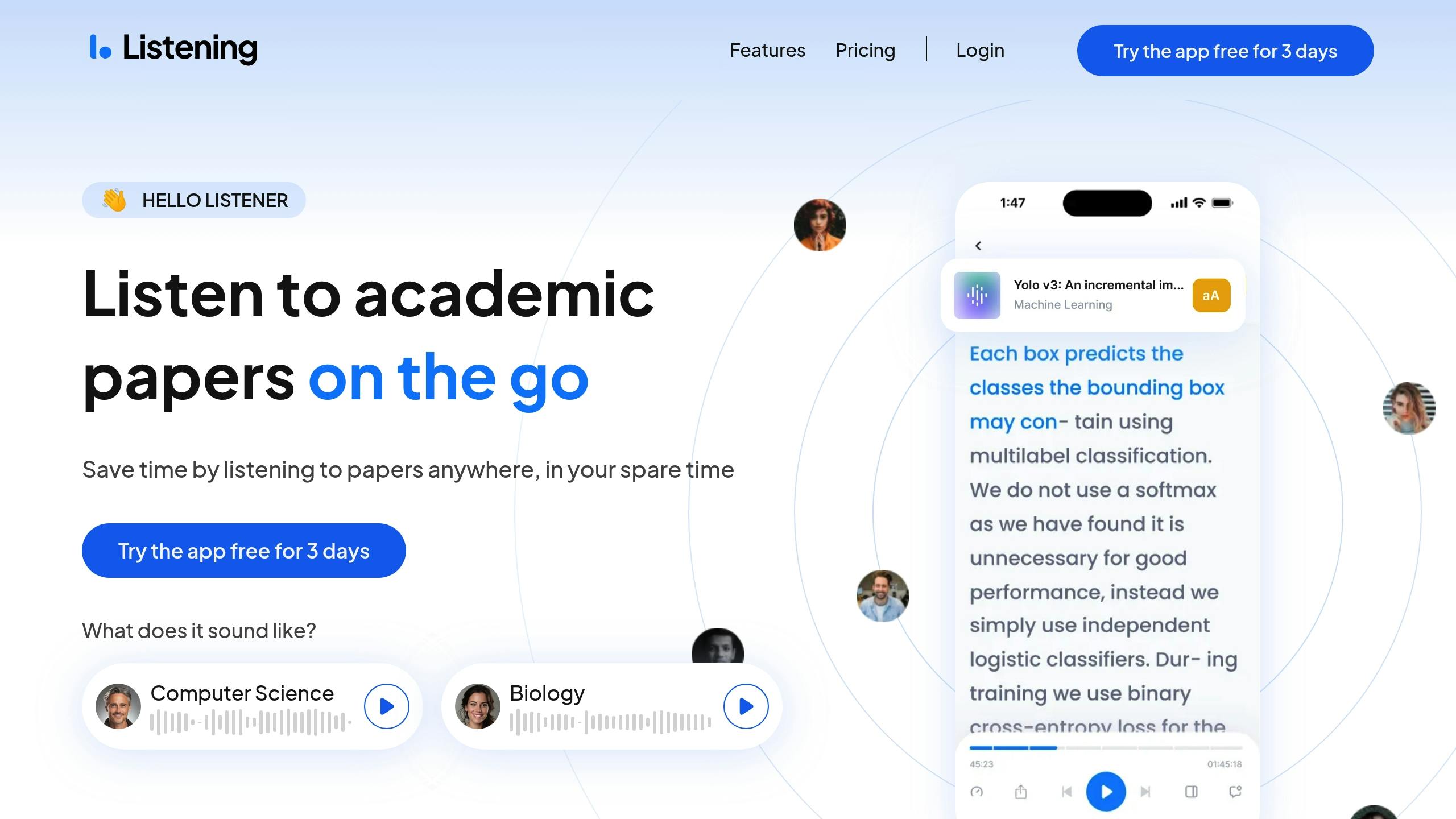
Reading through research papers can eat up a lot of time. Listening‘s AI-powered text-to-speech app simplifies this by converting academic documents into audio. It skips over citations, allows one-click note-taking, and lets you adjust playback speed from 0.5x to 4x. For $99/year, Listening is a helpful tool for reviewing research, especially when juggling multiple deadlines.
Collaborate with Your Team
A well-coordinated team makes grant preparation faster and smoother. Here are a few tools that can help:
| Tool | Purpose | Key Features | Starting Price |
|---|---|---|---|
| Google Workspace | Document collaboration | Real-time editing, cloud storage | $7/user/month |
| Trello | Task tracking | Visual boards, deadline management | Free basic plan |
| Zoom | Team meetings | AI meeting summaries, recordings | $13.32/user/month |
| FireFlies | Meeting notes | AI transcription, action items | Free basic plan |
Automate Repetitive Tasks
Automation can cut down on repetitive work and make grant writing much faster. For example, in 2023, Beda.ai helped a two-person team reduce their grant application time from over 60 hours to just 4 hours per grant. This allowed them to handle 40 grants a month with a 70% profit margin .
Here are some automation strategies to consider:
- Template Management: Develop standardized templates for common grant sections. Store them in a cloud-based system for easy access and updates.
- Data Integration: Tools like Coefficient (starting at $49/month) can sync and update data across multiple applications, ensuring accuracy and consistency .
- Design Automation: Canva Pro, free for registered nonprofits, lets you quickly create professional visuals and presentations for grant applications .
“Julie Davidson, Executive Director at Nyamboyo Technical School, states: ‘Grantable has transformed our grant writing process by speeding up preparation and enhancing quality.'”
Conclusion
Managing grant deadlines effectively requires staying organized, prioritizing tasks, and using the right tools. A well-structured plan with scheduled review periods can help teams improve success rates, avoid last-minute chaos, and minimize stress.
Modern tools have made grant writing more efficient. For example, Listening’s text-to-speech technology allows grant writers to review research papers during commutes or downtime. One user shared, “Great way to listen to papers during my commute. Finally a voice that doesn’t sound like a robot” .
Collaboration and automation also play a big role by simplifying communication and routine tasks. Frameworks like the Eisenhower Matrix help teams focus on the most impactful opportunities .
To summarize, integrate these strategies into your workflow:
- Use a centralized system to track deadlines.
- Prioritize tasks with proven frameworks.
- Take advantage of tools that save time on research and writing.
- Maintain consistent team communication.
FAQ
What is the best way to track multiple grant deadlines?
Utilize a digital calendar or project management tools like Google Calendar, Trello, or specialized grant management software to organize and monitor all important dates, from submission deadlines to internal reviews.
How do I prioritize which grants to apply for?
Evaluate each grant’s potential impact based on funding amount, mission alignment, effort required, and your organization’s readiness. Utilize a scoring system to rank grants and focus on those with the highest potential first.
What strategies can help in efficiently handling grant applications?
Break down the grant application process into smaller tasks and focus on completing one section at a time. This makes the process less overwhelming and more manageable.
How can automation tools aid in grant writing?
Automation tools can save time by managing repetitive tasks such as data entry and document formatting. Consider using templates and data integration tools to speed up the preparation process and reduce errors.
Why is it important to schedule internal reviews before the final submission?
Internal reviews help catch errors, refine arguments, and ensure that all parts of the application meet the funder’s requirements. Schedule these reviews well in advance of the final deadline to accommodate revisions without rushing.
What should I do if I miss a grant deadline?
While it’s best to avoid missing deadlines, if it happens, assess the reasons why and adjust your process accordingly. Some funders may allow late submissions under extenuating circumstances, so it’s worth reaching out to inquire.
How often should I update my grant tracking tools?
Regular updates are crucial, especially as deadlines approach or project details change. Review and update your tracking tools at least once a week or more frequently during peak grant-writing periods.
Can multiple team members work on the same grant application?
Yes, collaboration can be beneficial. Use tools like Google Workspace to allow multiple team members to work on documents simultaneously, ensuring coherence and reducing workload on individual team members.
How do I manage stress when dealing with tight grant deadlines?
Organize your work well in advance, break tasks into smaller chunks, and use focused work periods. Also, make sure to take regular breaks and maintain a balanced workflow to manage stress effectively.
What are some common mistakes in managing grant deadlines?
Common mistakes include underestimating the time required for each task, neglecting to schedule buffer periods for reviews, and failing to prioritize grants effectively. Avoid these by planning meticulously and using appropriate tools and techniques.